

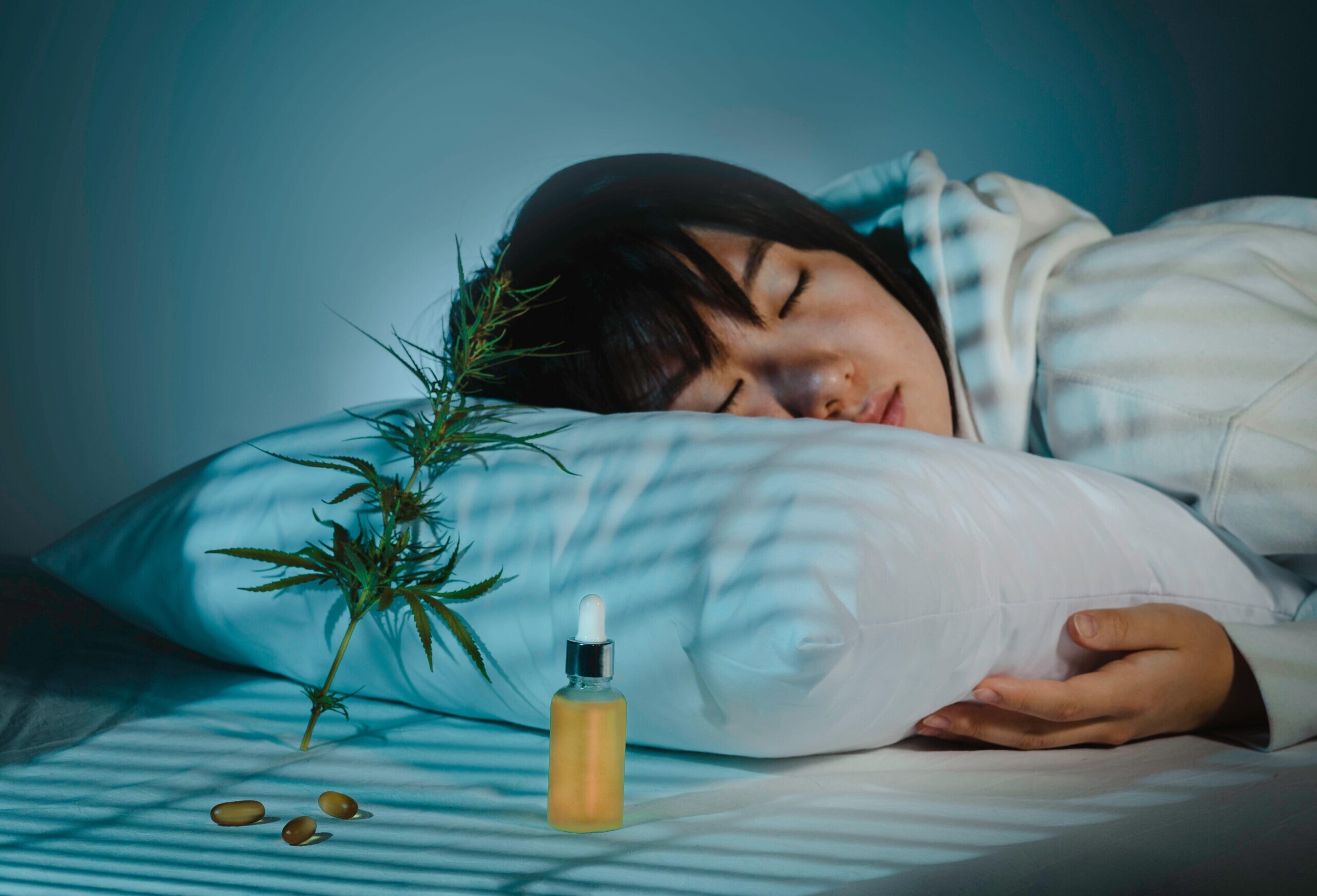
The Growing Appeal of Cannabis as a Sleep Solution
For many, cannabis has become a go-to remedy to tackle sleep troubles, promising quicker drift-off times and deeper rest. This cultural shift is fueled by anecdotal reports and a growing market saturated with products marketed as sleep enhancers. But beneath the surface of this trend lies a more complicated picture — one that challenges the notion that cannabis alone is the key to rejuvenating sleep.
What Science Is Telling Us About Cannabis and Sleep
Recent research summarized by sources such as Cleveland.com highlights an important caveat: while cannabis may help some users fall asleep, it could also interfere with key sleep stages, especially REM sleep, which is vital for memory consolidation, emotional regulation, and overall brain health. This disruption might mean that even if users feel they’re sleeping better, they might be missing critical restorative processes.
The takeaway here isn’t to dismiss cannabis outright but to recognize that sleep quality is multi-faceted. Factors like sleep cycles, environment, stress management, and lifestyle choices remain central to truly restorative rest. Cannabis might be a piece of the puzzle but not necessarily the whole picture.
Why the Story Matters Today
The conversation around cannabis for sleep gains urgency as legalization spreads and more people experiment with cannabis products. Marketing often simplifies the narrative, portraying cannabis as a natural and effective sleep aid without highlighting potential trade-offs. This can lead users to overlook other healthy sleep habits or to rely heavily on cannabis, potentially hampering long-term sleep quality.
Understanding these nuances empowers consumers to make informed choices and encourages the industry to provide clearer guidance and education. It also invites a broader cultural dialogue about what it truly means to rest well in a modern, fast-paced world.
Looking Beyond the High: Building Better Sleep Practices
For those seeking better sleep, experts often recommend a holistic approach that includes:
- Consistent sleep schedules
- Creating a relaxing bedtime routine
- Limiting screen time before sleep
- Mindfulness or stress-reduction techniques
- Evaluating diet and exercise
Cannabis might play a role for some, but integrating these strategies may help address the underlying issues cannabis alone cannot fix.
As research evolves, it’s clear that the relationship between cannabis and sleep is complex. Staying curious and attentive to both scientific findings and personal experience will continue to shape how cannabis fits into the broader cultural landscape of wellness.
Source: Cleveland.com
Source: Original source
Related Articles
This article is for informational purposes only and should not be considered medical, legal, or regulatory advice. Cannabis and hemp laws vary by location and may change over time.
The post Why Relying on Cannabis for Sleep Could Mean Overlooking Key Restorative Factors appeared first on Weed Deep Dive.