

TSA’s Stance on Marijuana: What Hasn’t Changed
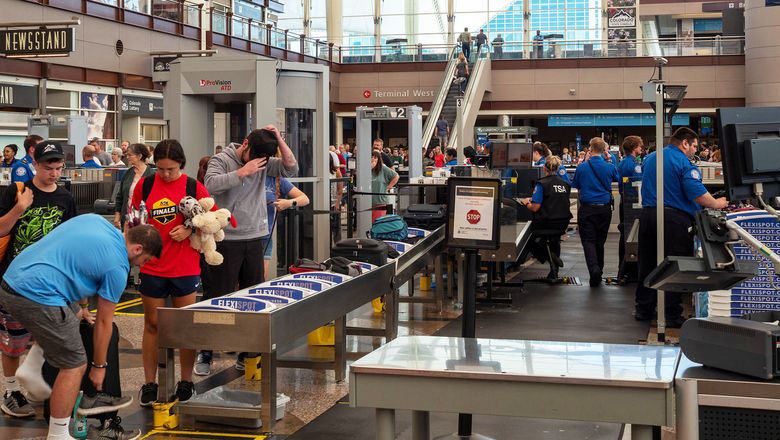
The Transportation Security Administration (TSA) continues to enforce federal law, which classifies marijuana as an illegal substance. Despite the growing number of states legalizing cannabis for medical or recreational use, TSA screening protocols remain firm: marijuana possession is prohibited on airplanes. This policy holds even if travelers are flying from or to states where cannabis is legal.
During security screenings, TSA agents are primarily focused on safety and security threats—not drug enforcement. However, if prohibited items like marijuana are discovered, TSA is required to refer the matter to law enforcement authorities. This can lead to a range of outcomes, from confiscation to potential legal action depending on local laws.
Who Exactly Is Affected?
The TSA’s marijuana policy chiefly impacts travelers carrying cannabis or cannabis-derived products such as CBD oil, edibles, or flower. Even medical marijuana patients face the same restrictions because federal law does not exempt medical cannabis use. This creates a challenging environment for travelers who may legally possess cannabis in their home state but are still subject to federal regulations during air travel.
Additionally, the policy affects airports located in states with legalized cannabis markets, where the disconnect between local laws and TSA rules can cause confusion and stress for passengers. Travelers may mistakenly believe state legality protects them from TSA enforcement, leading to unintended violations.
Legal Uncertainties and Enforcement Variability
The conflict between federal prohibition and state legalization generates ongoing uncertainty. TSA agents do not actively search for marijuana but will report it if found. Enforcement can vary by airport and jurisdiction, introducing unpredictability for travelers. Some local law enforcement agencies may be more lenient, while others enforce federal law strictly, which adds to the complexity.
Moreover, the rise of cannabis-infused products with varying THC levels complicates screening. Non-intoxicating hemp-derived CBD products are federally legal if they contain less than 0.3% THC, but TSA’s guidance remains vague regarding these items. This ambiguity leaves travelers unclear about what is permissible in carry-on or checked luggage.
Looking Ahead: Potential Shifts and Traveler Advice
Pressure is mounting for clearer guidelines amid evolving cannabis laws nationwide. Legislative efforts to reform federal marijuana laws could eventually influence TSA policies, but until then, travelers must proceed cautiously.
Those planning to fly with cannabis or related products should familiarize themselves with both federal TSA rules and state-specific laws at departure and arrival points. When in doubt, it is safest to avoid carrying marijuana or THC-containing products on flights to prevent legal risk.
As cannabis legalization continues to expand, the tension between state freedom and federal restrictions will remain a key issue for air travelers and policymakers alike.
Source: Original source
Related Articles
This article is for informational purposes only and should not be considered medical, legal, or regulatory advice. Cannabis and hemp laws vary by location and may change over time.
The post TSA’s Marijuana Policy: What Travelers Should Understand Amid Conflicting Laws appeared first on Weed Deep Dive.