

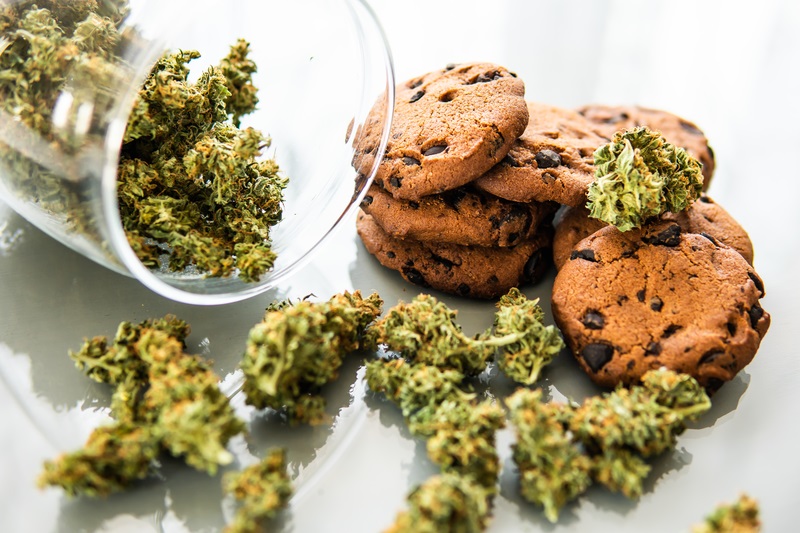
A new clinical study is lending scientific weight to a familiar cannabis cliché: the “munchies” are real—and they may have meaningful medical potential.
Researchers at Washington State University and the University of Calgary have found that marijuana reliably increases appetite and food motivation, regardless of a person’s body type, recent meals or even the type of food available. Their findings were recently published in the Proceedings of the National Academy of Sciences.
The human clinical trial included 82 adults between the ages of 21 and 62. Participants were randomly assigned to vape either 20 milligrams or 40 milligrams of cannabis, while a control group received a placebo. Researchers then measured how much participants ate and which foods they preferred. Parallel experiments were conducted using rat models to compare biological responses.
Across the board, cannabis increased energy intake and the motivation to seek out food.
“There are a lot of different diseases, conditions and disorders associated with wasting syndromes and lack of appetite,” said Carrie Cuttler, a psychology professor involved in the research. “This study really supports the idea that cannabis can be used medicinally to increase appetite in people who have conditions like HIV, AIDS, or who are on chemotherapy.”
While pop culture often depicts marijuana users reaching for chips and sweets, the study found no single dominant craving. Some participants chose carbohydrate-heavy options, others gravitated toward protein. Surprisingly, beef jerky ranked among the most popular items, alongside water.
Ryan McLaughlin, a veterinary science professor at WSU, said the increase in food intake occurred “irrespective of body mass index, time of last food consumption, sex or how much cannabis was consumed.”
In rats, the pattern was similar. Even when the animals were full, cannabis exposure prompted them to work harder—pressing levers more frequently—to obtain food.
Scientists say the results align with earlier research on the brain’s endocannabinoid system. THC, the psychoactive component in cannabis, stimulates receptors in the hypothalamus, effectively overriding normal satiety signals.
The findings add to growing evidence that while cannabis may spark snack cravings, it could also offer therapeutic benefits for patients struggling with appetite loss.
Read the whole article from Marijuanamoment here.
The post Here’s What Foods Scientists Says People With the Munchies Crave The Most appeared first on Weed Deep Dive.